Are Banned Terrorist Broadcasters Reaching American Homes
Through Piracy Platforms?

Vert-Line-purple

Yes. A joint Digital Citizens Alliance/risk3sixty investigation found channels tied to Hezbollah, Hamas, the Houthis, and Iran-backed militias — organizations responsible for hundreds of American deaths — carried on 17 of 25 piracy streaming platforms tested from U.S. connections, for about $15 a month. No satellite required. No cable package.

How Widespread Is Terrorist Broadcast Access on U.S. Piracy Platforms?

By the Numbers

A 2026 Digital Citizens Alliance/risk3sixty investigation found that more than two-thirds of the piracy platforms it tested carry a broadcaster tied to a designated terrorist organization or hostile foreign state — reachable from an ordinary U.S. internet connection for about $15 a month. These are channels the U.S. and its allies spent roughly two decades working to keep off American and European screens through satellite bans, sanctions, and domain seizures — access piracy has now quietly restored.

68%

17 of 25 piracy platforms tested that carried at least one banned terrorist or hostile-state broadcaster

100%

All of the platforms found carrying any banned content also carried Al-Manar, Hezbollah's channel, making it the single most-carried outlet

$15/ month

The cost of a piracy subscription that restores access two decades of U.S. and allied policy tried to remove

$2B

The piracy platforms carrying these broadcasts operate within an estimated $2 billion illicit ecosystem

Why Is Hezbollah's Al-Manar Channel Banned in the United States?

The U.S. Banned These Broadcasters Two Decades Ago.

After 9/11, the U.S. and its allies spent 20 years blocking terrorist broadcasters from reaching American and European audiences — stripping Al-Manar of its satellite feed in 2004, prosecuting distributors, seizing domains. Piracy platforms have quietly handed that access back. Al-Manar, Hezbollah's official channel, was found on every single piracy platform in this investigation that carried any banned content.


Hezbollah Channel image if a coder with matrix like code overlay.

How Do Piracy Platforms Get Around the U.S. Terrorist Broadcast Ban?

The Ban Is Still on the Books. Here's How Piracy Gets Around It.

Icon of the outline of a nefarious hooded coder.

Bundling

Piracy storefronts illegally aggregate thousands of channels they have no right to distribute. A banned broadcaster is simply one line item hidden inside a lineup the subscriber never has to search for.

icon of the outline of paper money

Reseller Layers

Platforms sell access through tiered reseller and credit systems (one platform in this investigation offers credit bundles from $65 to $3,500). Each layer of resale adds distance between the entity distributing the content and anyone who might notice what's in it.

Icon outline of a judge's mallet

Domain-hopping After Enforcement

When the DOJ seizes a domain or a channel gets flagged, operators resurface under new names and infrastructure — the same pattern seen when the "Volka" piracy app went through Wolf, Wolf X, and Wolf Pro before rebranding again, or when numbered subdomains suggest an operator has burned through a dozen-plus prior hosts.
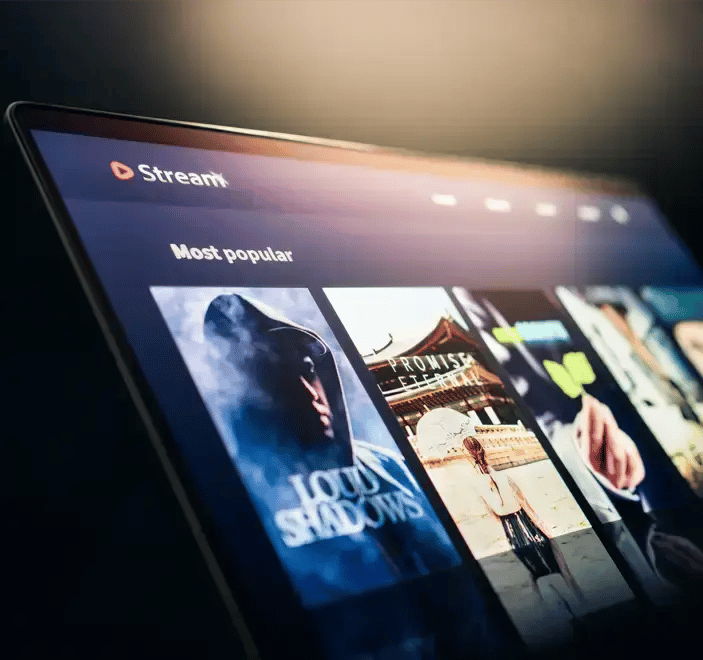
image of a screen with Streaming options of movies.

How Do Piracy Platforms Hide Banned Channels Inside Legal Ones

Banned From TV. Back On Your Screen — For $15 a Month

Piracy operators don't advertise these channels — they bundle them. A subscriber paying for live sports and movies gets a package with hundreds or thousands of stations, and a banned terrorist broadcaster is just one more line in the menu. On one platform reviewed, investigators found a designated channel sitting inside an "Arab Countries" package alongside numerous other, unrelated channels — indistinguishable from anything else in the lineup.

What Do Security Experts Say About the National Security Risk of Piracy Platforms?

"Our investigation found that piracy services routinely package terrorist-controlled broadcasters alongside everyday entertainment, creating a distribution channel that operates outside traditional safeguards. When extremist content is embedded in the same interface as sports, movies, and news, it becomes far less visible to those working to identify and disrupt radicalization efforts."

— Steven Guris, Threat Intelligence, Lead risk3sixty

Do Piracy Subscribers Know a Banned Broadcaster Is in Their Channel Package?

You paid for the game. You got the propaganda too.

A subscriber signing up for a piracy IPTV service to watch soccer or a boxing match has no idea what else came with the package. Reseller economies make this worse: platforms like Sansat VIP sell access through credit bundles to hundreds of resellers who may never open the channel list themselves — meaning the person marketing the subscription to a customer often doesn't know a Specially Designated Global Terrorist entity's channel is in the lineup either. Everyone in the chain — subscriber, reseller, sometimes even the storefront operator — can be several steps removed from realizing what's being distributed.

Back of a woman changing the TV channel with her remote.

It should not be lost on anyone that piracy enables U.S. adversaries to both skirt a ban on broadcasting their ideology into the United States and launch cyberattacks against the country. That is quite an effective use of piracy by foreign adversaries with stated goals to do harm to the United States.

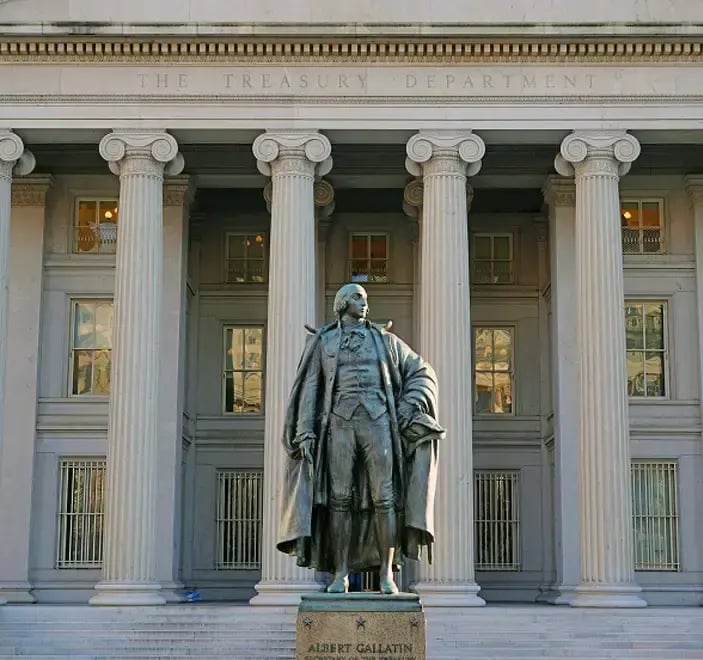
Statue in front of a government building.

What Can the U.S. Government Do to Stop Piracy Platforms From Carrying Terrorist Broadcasts?

The Tools to Stop This Already Exist. No One's Pointed Them at Piracy.

Treasury already has the authority under Executive Order 13224 to sanction anyone transacting with a Specially Designated Global Terrorist entity — the same authority used to convict a New York man in 2008 for distributing Al-Manar. DOJ has already seized terror-linked domains before, most recently 33 of them in a single 2021 action. What's missing isn't legal authority — it's enforcement pointed at piracy platforms specifically, plus the site-blocking legislation currently before Congress that would let courts order foreign piracy operations blocked at the network level, the same tool more than 50 other countries already use.

It's time to point the tools we already have at the platforms carrying this content.

Additional Resources

U.S.-Sanctioned Terrorist Broadcasters Distributed on Piracy Platforms Reaching American Homes, Investigation Finds

Foreign Piracy Networks Beyond U.S. Prosecution Reach Defraud American Consumers With Credit Card Fraud and Malware

Foreign Adversaries Russia, China and Iran Are Hijacking American Home Internet Connections to Launch Cyberattacks