Yes. A joint Digital Citizens Alliance/risk3sixty investigation found channels tied to Hezbollah, Hamas, the Houthis, and Iran-backed militias — organizations responsible for hundreds of American deaths — carried on 17 of 25 piracy streaming platforms tested from U.S. connections, for about $15 a month. No satellite required. No cable package.

After 9/11, the U.S. and its allies spent 20 years blocking terrorist broadcasters from reaching American and European audiences — stripping Al-Manar of its satellite feed in 2004, prosecuting distributors, seizing domains. Piracy platforms have quietly handed that access back. Al-Manar, Hezbollah's official channel, was found on every single piracy platform in this investigation that carried any banned content.


Piracy storefronts illegally aggregate thousands of channels they have no right to distribute. A banned broadcaster is simply one line item hidden inside a lineup the subscriber never has to search for
Platforms sell access through tiered reseller and credit systems (one platform in this investigation offers credit bundles from $65 to $3,500). Each layer of resale adds distance between the entity distributing the content and anyone who might notice what's in it.
When the DOJ seizes a domain or a channel gets flagged, operators resurface under new names and infrastructure — the same pattern seen when the "Volka" piracy app went through Wolf, Wolf X, and Wolf Pro before rebranding again, or when numbered subdomains suggest an operator has burned through a dozen-plus prior hosts.

Piracy operators don't advertise these channels — they bundle them. A subscriber paying for live sports and movies gets a package with hundreds or thousands of stations, and a banned terrorist broadcaster is just one more line in the menu. On one platform reviewed, investigators found a designated channel sitting inside an "Arab Countries" package alongside numerous other, unrelated channels — indistinguishable from anything else in the lineup.
A subscriber signing up for a piracy IPTV service to watch soccer or a boxing match has no idea what else came with the package. Reseller economies make this worse: platforms like Sansat VIP sell access through credit bundles to hundreds of resellers who may never open the channel list themselves — meaning the person marketing the subscription to a customer often doesn't know a Specially Designated Global Terrorist entity's channel is in the lineup either. Everyone in the chain — subscriber, reseller, sometimes even the storefront operator — can be several steps removed from realizing what's being distributed.

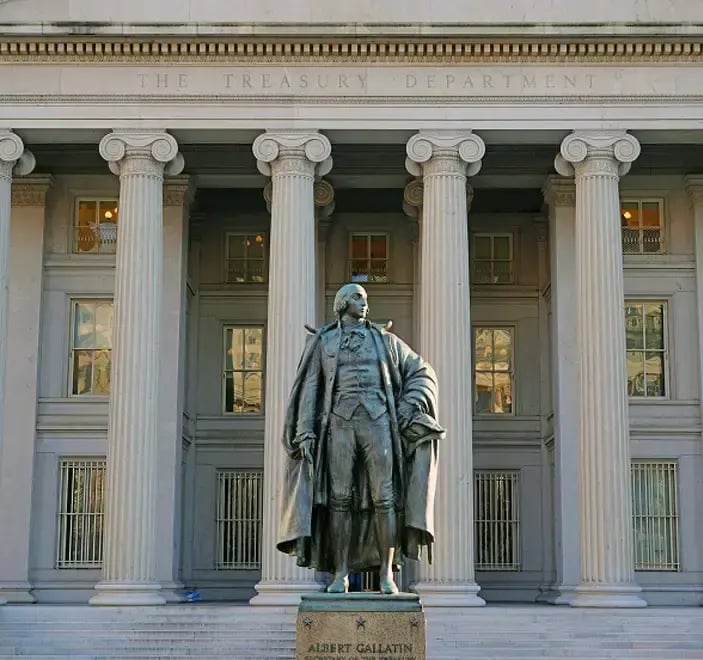
Treasury already has the authority under Executive Order 13224 to sanction anyone transacting with a Specially Designated Global Terrorist entity — the same authority used to convict a New York man in 2008 for distributing Al-Manar. DOJ has already seized terror-linked domains before, most recently 33 of them in a single 2021 action. What's missing isn't legal authority — it's enforcement pointed at piracy platforms specifically, plus the site-blocking legislation currently before Congress that would let courts order foreign piracy operations blocked at the network level, the same tool more than 50 other countries already use.